Swedish export financing enables the energy projects of the future
Energy systems around the world are being transformed at speed. As investments become larger and more complex, new technology alone is not enough, long-term financing is also needed to make projects possible. Eastern Green Link 2 in the UK is one example of how Swedish technology and export financing can help accelerate the energy transition.
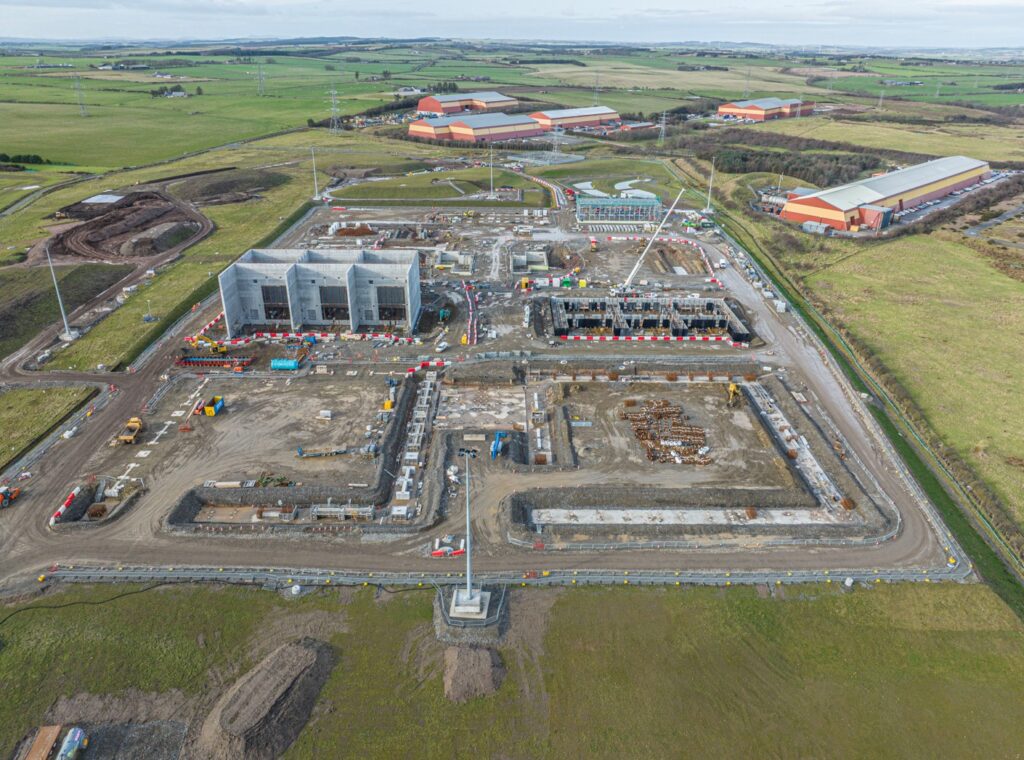
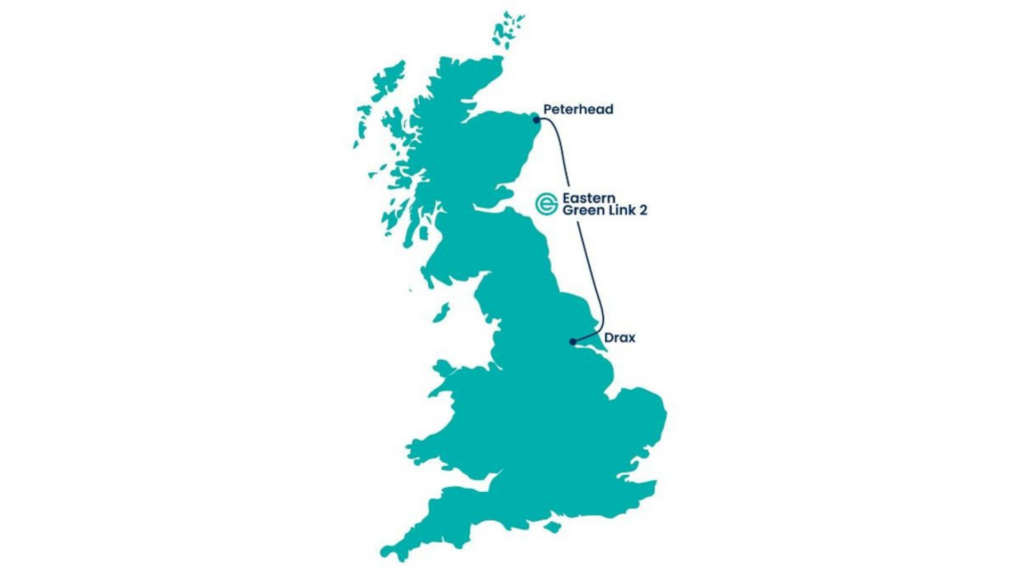
Transporting electricity from offshore wind farms in Scotland to households and businesses in England requires major investments in grids, cables and converter stations. Eastern Green Link 2 is one of the UK’s largest electricity transmission projects and will carry large volumes of renewable power over long distances.
For projects of this scale to become reality, technology must be matched with long-term financing. This is where the Swedish Export Credit Corporation (SEK) plays an important role by financing international customers’ purchases from Swedish export companies.
Financing that helps make business happen
As investments grow in size, so do the requirements on financing. In large infrastructure and energy projects, traditional financing solutions are often not enough on their own.
“Export credits allow banks’ capacity to be used for other purposes, while giving the customer access to a broader capital base,” says Marica Bixo, Senior Director, Export and Project Finance at SEK.
Export financing can therefore connect international customers with Swedish suppliers and help bring projects to life that might otherwise remain on the drawing board.
Eastern Green Link 2 shows what can be achieved when Swedish technology and export financing come together. The transmission link will use high-voltage direct current, HVDC, to transport electricity from northern Scotland to England through one of the UK’s longest subsea cables.
“It is a 2-gigawatt transmission project that will supply around two million households in the UK. It is one of the country’s largest infrastructure projects and contributes to enabling the energy transition,” says Samira Abbasinejad, Global Head of Bid & Proposals HVDC at Hitachi Energy.
Hitachi Energy, a global technology leader in electrification, has developed HVDC technology over many years. The technology makes it possible to transmit large volumes of electricity over long distances with low losses. But for large and complex projects to be delivered, financing must also be in place.
Technology and financing need to go hand in hand
In projects of this size, financing becomes part of delivery – not something that happens separately. That is why financiers, customers and suppliers need to work together early in the process.
“Financing is very important in projects like these. We are talking about multi-billion investments, and different solutions are needed to make them happen,” says Samira Abbasinejad.
For Hitachi Energy, the role is not only to deliver technology, but also to support coordination between customers, banks and financiers.
“We support our customers extensively in the coordination, for example around export credits and the work required to put the financing in place,” she says.
To create the greatest value, export financing often needs to be introduced early, before the transaction is fully in place.
“Through export financing, we can broaden customers’ capital base and make it possible to carry out investments that would otherwise have been more difficult to realise,” says Marica Bixo.
Export financing will play a growing role in the energy transition
The need for investment in electricity grids and fossil-free energy is growing rapidly. This requires capital on a scale that is often difficult to meet through traditional bank loans or capital market financing alone.
“Investments in the energy transition are so large that they cannot be financed solely through traditional bank loans or the capital markets. That is why we see export financing playing an increasingly important role going forward,” says Marica Bixo.
By complementing other forms of financing, export credits can help free up capital and enable more investments to move forward in parallel. For Swedish export companies, this creates significant opportunities as demand for technologies in electrification, electricity transmission and energy management continues to grow globally.
“HVDC technology is no longer a niche solution. It has become a core technology for the energy transition around the world, and demand is growing structurally as electrification accelerates,” says Samira Abbasinejad.
At the same time, Marica Bixo points out that Swedish companies have a strong position in global competition, not least within the energy sector.
“Sweden has several world-leading companies in energy technology. This means we can play an important role in the transition, and export financing can help Swedish solutions reach global markets,” she says.
How SEK can contribute
SEK finances international customers’ purchases from Swedish export companies and helps make large-scale investments possible.