The Conflict in the Middle East – Global Implications for Trade, Energy, and Financial Markets
The military conflict in the Middle East represents a tangible risk of increased global systemic stress. At the center of attention is the situation surrounding the Strait of Hormuz—one of the most critical transport corridors in the global economy. A closure or prolonged disruption of the strait would have far‑reaching consequences well beyond the region, affecting global trade, inflation, growth, and financial stability.
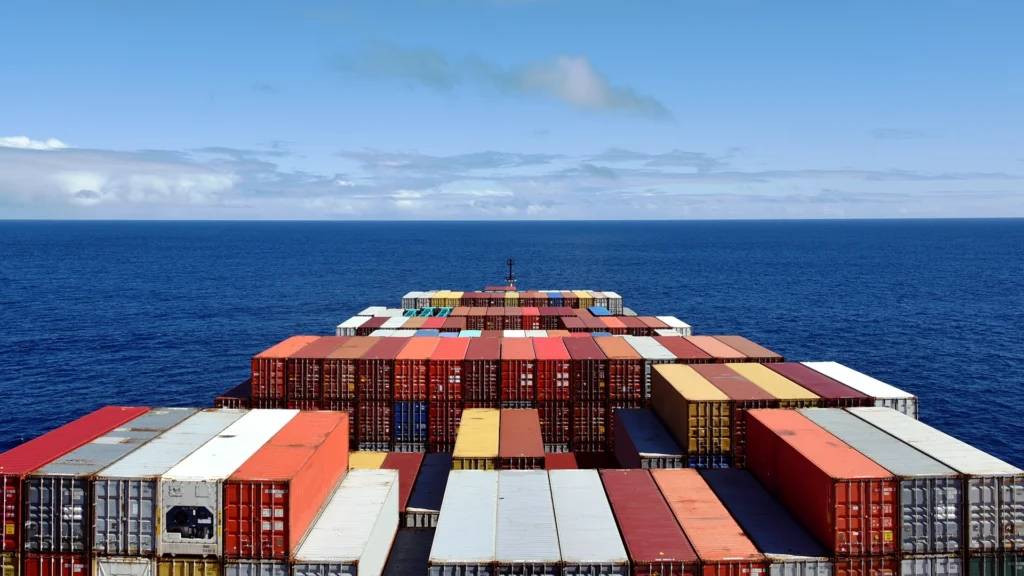
The Strait of Hormuz – A Global Bottleneck
Approximately one fifth of global trade in crude oil and liquefied natural gas (LNG) passes daily through the Strait of Hormuz. In addition, large volumes of petrochemical products, fertilizers, and aluminum are transported through the strait. Its strategic importance means that even limited disruptions can quickly generate global spillover effects.
An escalation of the conflict risks affecting the global economy through several interconnected channels:
- Energy flows: Disruptions or uncertainty around transportation drive higher prices and volatility in oil and gas markets.
- Public finances: Countries with significant oil revenues are directly affected, while import‑dependent economies face deteriorating current account balances.
- Financial stability: Increased geopolitical risk tends to raise risk premia, weaken currencies, and create stress in credit markets.
- The real economy: Trade, industrial production, tourism, and investment are negatively affected by higher costs and increased uncertainty.
- Political and social stability: Deteriorating economic conditions can increase social unrest, migration flows, and political instability.
Effects on Global Trade and Exports
For export‑dependent economies, developments represent a clear shift in the risk landscape. Energy price shocks broadly translate into higher transport and production costs, while insurance premiums and logistics expenses rise. This puts pressure on global supply chains and undermines profitability in international trade.
Asia is particularly vulnerable, as large parts of the region’s energy imports pass through Hormuz. Even with strategic reserves, resilience is limited in the event of prolonged disruptions, which could negatively affect both growth and industrial production. Europe is primarily impacted through higher energy prices and more persistent inflation, while the United States is relatively more resilient due to high domestic energy production—although it is not immune to global market turbulence.
For emerging markets, vulnerabilities are further amplified. Higher energy and food prices, combined with currency weakness and capital outflows, can quickly deteriorate financing conditions—particularly in economies that are already highly indebted.
Financial Markets and Credit Conditions
In global financial markets, the effects are primarily reflected in increased uncertainty and rising risk premia. Geopolitical tension tends to widen credit spreads, especially in the high‑yield segment and in emerging markets. At the same time, energy‑driven inflation risks limiting central banks’ room for monetary easing, thereby prolonging a period of tighter financial conditions.
Sectoral differences become pronounced. Energy and commodity companies benefit relatively from higher prices, while transportation, industrial, and consumer‑oriented sectors face pressure. In less liquid market segments, the risk of sharp price movements also increases during periods of elevated stress.
The Time Dimension Determines the Risk Profile
The decisive factor in determining whether the consequences remain manageable or become structural is the duration of the conflict and its geographical spread. Short‑lived disruptions can be absorbed through inventories, alternative routes, and financial buffers. A prolonged scenario, with recurring interruptions to energy flows, however, risks leading to lower global growth, more persistent inflation, and elevated financial stress.
Overall, the conflict in the Middle East does not necessarily constitute an immediate global crisis, but it does represent a clear negative shift in risks for the world economy. For exporting companies, investors, and policymakers, the demands on risk awareness, flexibility, and preparedness increase further in an already uncertain geopolitical environment.