New transmission line strengthens Uganda’s power grid and opens up electricity trade with Kenya
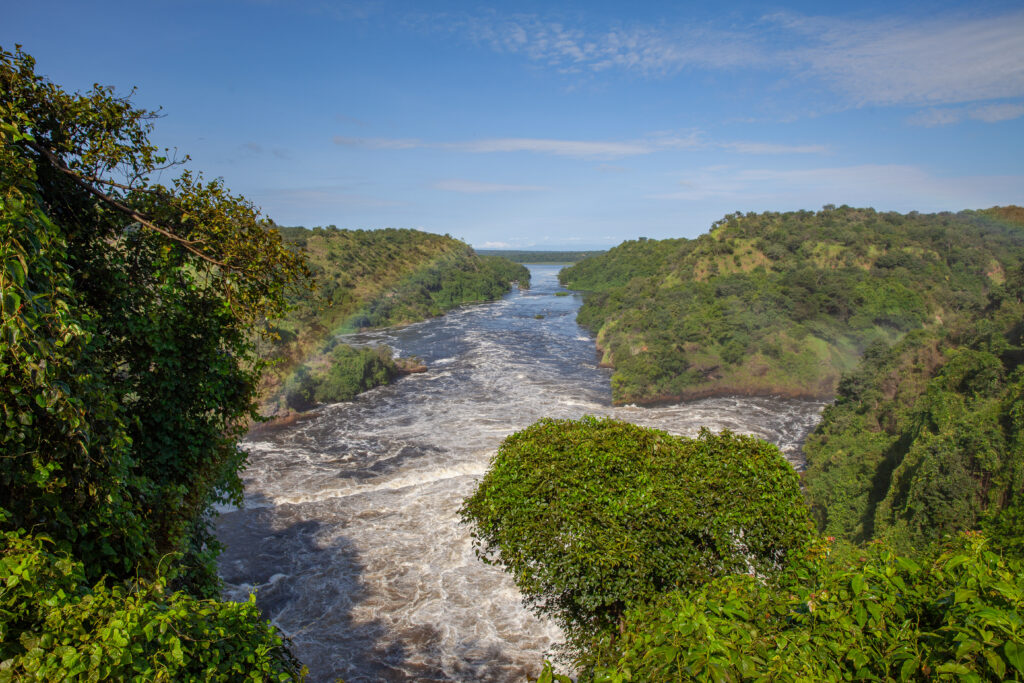
Far from Kampala, by the Nile waterfalls in Karuma, large amounts of hydropower are already being generated. But producing electricity is only half the job. Without a strong power grid, the energy does not reach where it is needed.
A new transmission line of approximately 340 kilometres is now being built to connect Uganda from the north-west to the east and create the conditions for both increased electrification and regional electricity trade. The project includes a new transmission line, new substations and upgrades to existing infrastructure.
Uganda has the power but needs the grid
In recent years, Uganda has invested in new energy generation as part of the country’s ambition to strengthen its economy and improve access to electricity. A key part of this effort is the Karuma Hydropower Plant, a hydropower facility with a capacity of 600 MW.
But electricity generation is only one part of the equation. For the energy to be useful, it must be possible to transmit it to where people live, where businesses operate and where future investments will be made.
“Uganda has made major investments in new electricity generation in recent years. But for those investments to have full effect, electricity must also be transmitted to where it is needed. That is why projects of this kind are so important,” says Gabriella Fryking, Business Manager at SEK.
Why the new transmission line is being built
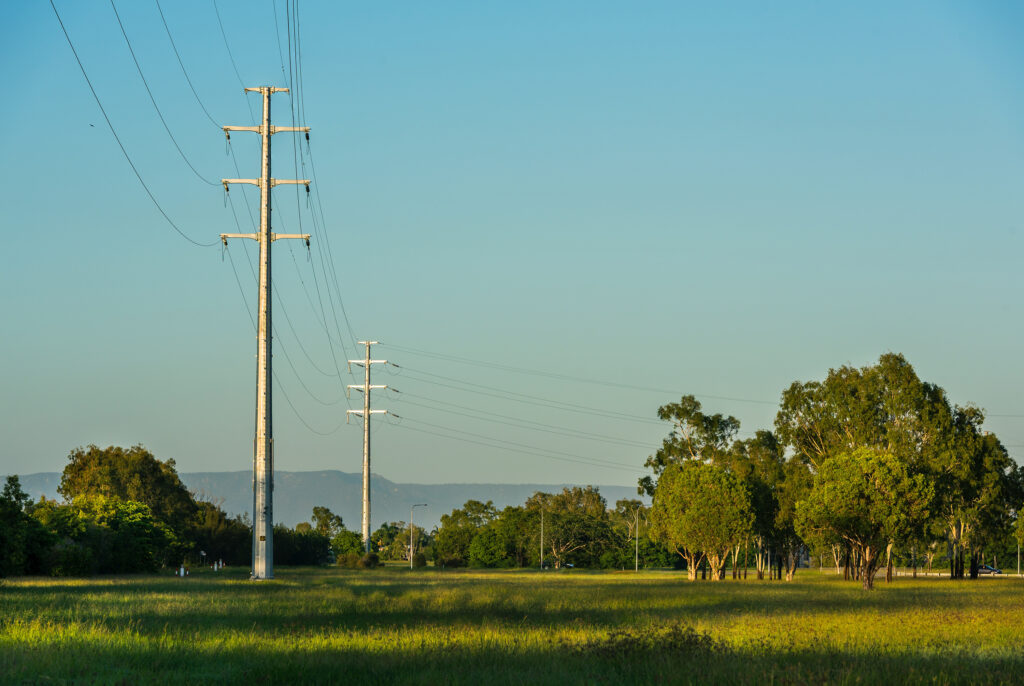
The project includes a new 400 kV transmission line with two separate circuits between Karuma in north-western Uganda and Tororo on the border with Kenya. In addition to the line, the project includes two new substations and upgrades to existing stations. Once completed, the project is expected to strengthen transmission capacity in Uganda’s power grid and help more of the electricity generated benefit households and businesses.
What does it mean for households and businesses?
Behind the technology is a very tangible benefit for society.
More than 340 communities are expected to benefit from the project. For many, this means improved access to electricity, while a stronger power grid also creates better conditions for business, public services and economic development.
“Energy is a basic prerequisite for development. Access to a more stable electricity supply makes a difference for both people and businesses,” says Gabriella Fryking.
From national electrification to regional electricity trade
The project’s significance does not stop at Uganda’s borders.
The new line will connect to the border with Kenya and is part of a broader effort to strengthen the region’s energy infrastructure. While the project improves the opportunities to distribute electricity within Uganda, it also creates the conditions for exporting electricity to Kenya.
“This is not just about strengthening electricity supply in Uganda. The project also creates the conditions for regional electricity trade, which can contribute to a more interconnected and stable energy system in East Africa,” says Gabriella Fryking.
A complex project with high sustainability requirements
Building energy infrastructure on this scale also entails considerable responsibility.
The planned route passes through areas of high natural value, including wetlands and forest reserves. People living along the line corridor are also affected, which requires careful analysis and extensive planning.
The project includes plans for compensation to affected households, biodiversity monitoring and continuous follow-up of environmental and social issues during both the construction and operational phases. The project’s sustainability work follows internationally recognised standards for the responsible development of major infrastructure projects, including the IFC Performance Standards.
“Major infrastructure projects always involve challenges. That is why it is important that sustainability issues are integrated from the outset and followed up throughout the life of the project,” says Gabriella Fryking.
Swedish exports in an important infrastructure project
The project is based on cooperation between Ugandan authorities, international banks and several Swedish companies.
The Swedish exporters include Hitachi Energy, Linjemontage, and Amokabel, which contribute products and services to the project. The project is therefore also an example of how Swedish expertise and Swedish companies are participating in the development of energy infrastructure in international markets.
“For us, this is an example of how Swedish expertise can contribute to major international infrastructure projects. It strengthens both exports and the opportunities for sustainable development locally,” says Gabriella Fryking.
Once completed, the transmission line will connect Uganda with Kenya. But above all, the project is about creating better conditions for the electricity already being generated to benefit people, businesses and communities.