El Niño – from weather phenomenon to credit risk
Recently, the weather phenomenon El Niño has appeared in several cases when SEK’s country and bank analysts have been working on country risk assessments. El Niño can have significant consequences for agriculture, commodity prices, inflation and economic growth. In particularly vulnerable countries, it also leads to increased credit risks.
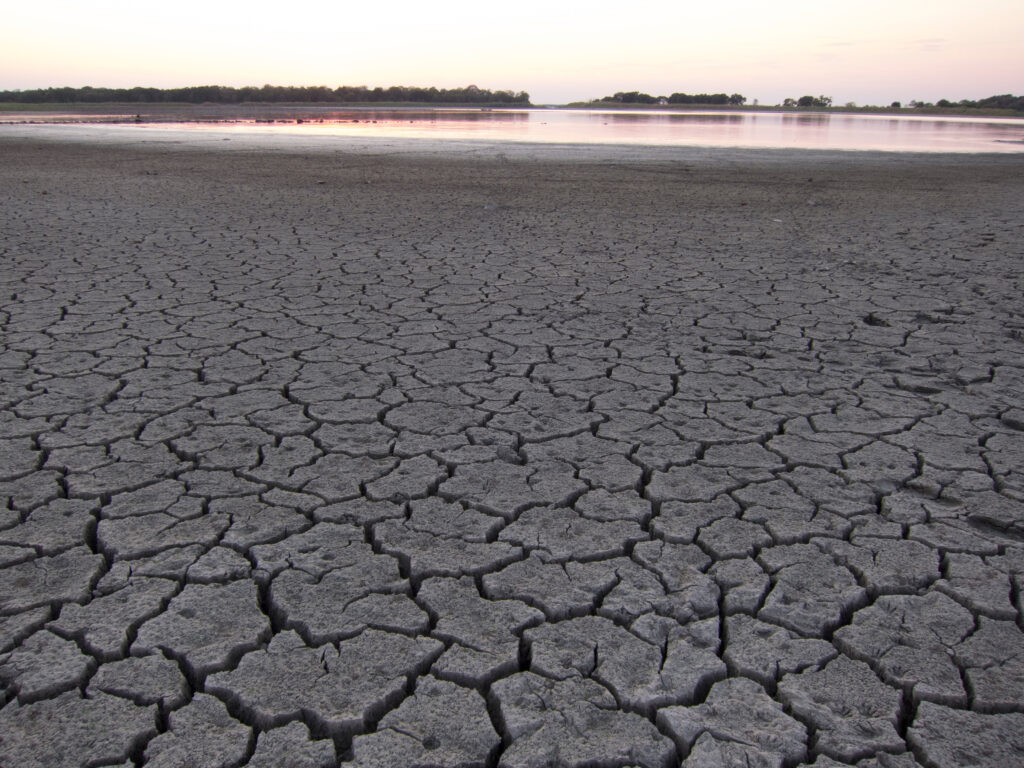
During the summer, a new El Niño began to develop, and the World Meteorological Organization (WMO) has warned that the phenomenon could become strong and reach its peak during the winter of 2026/2027.
For anyone analysing international markets, this is a factor worth monitoring closely. The risks are particularly high in economies that depend on agriculture and hydropower, or that are already characterised by poverty, weak public finances and social unrest. Many of these countries are found in South America and Africa.
How El Niño can affect the economy
El Niño affects economies in several different ways. The consequences vary between countries and regions, but some areas are particularly sensitive.
Agriculture and food production
Drought reduces harvests in some regions, while heavy rainfall and flooding can destroy crops in others. Lower production of commodities such as grains, coffee, cocoa, palm oil and sugar leads to higher food prices.
Inflation
Higher food prices and, in some cases, higher energy costs drive up consumer prices. Inflation may increase, especially in countries where households spend a large share of their income on food.
Economic growth
Agriculture, industry and transportation are affected by droughts, storms and floods. When production declines and costs increase, economic growth weakens.
Energy systems
Drought can lower water levels in dams and reservoirs. This reduces hydropower generation, raises energy prices and increases the risk of electricity shortages.
Infrastructure
Extreme weather damages roads, power grids, ports and other critical infrastructure. Repairs become costly, while trade and transportation may be disrupted.
Society and politics
Rising food prices and supply challenges increase pressure on households. Social unrest and protests may intensify, and in some cases the risk of conflict also increases.
What is El Niño?
El Niño is a recurring weather phenomenon in the tropical Pacific Ocean. It was first documented in the 16th century by fishermen off the coast of Peru.
Research has not yet established a clear link between climate change and how frequently El Niño occurs. However, each new El Niño unfolds in a warmer world, which may amplify its effects. Heatwaves can become more intense, droughts more severe and heavy rainfall more extreme. The risk of widespread coral bleaching and new global temperature records also increases.
What happens during El Niño?
In a normal year, strong winds push warm surface water westward, from South America towards Indonesia and Australia. During El Niño, these winds weaken. As a result, the warm water remains further east and accumulates off the coasts of Peru and Ecuador.
As heat and rainfall shift eastward, weather patterns change on both sides of the Pacific Ocean. Indonesia and Australia often receive less rain, while precipitation increases along parts of the west coast of South America.
At the same time, the warm surface water prevents cold, nutrient-rich deep ocean water from rising off the coast of Peru. This worsens conditions for fish stocks, which may decline or move to other areas. The result is challenges for the local fishing industry.
In short, El Niño disrupts the normal balance of the Pacific Ocean. But the effects do not stop there. Changes in temperatures and atmospheric circulation can influence weather patterns far beyond the region and have economic consequences across large parts of the world.